
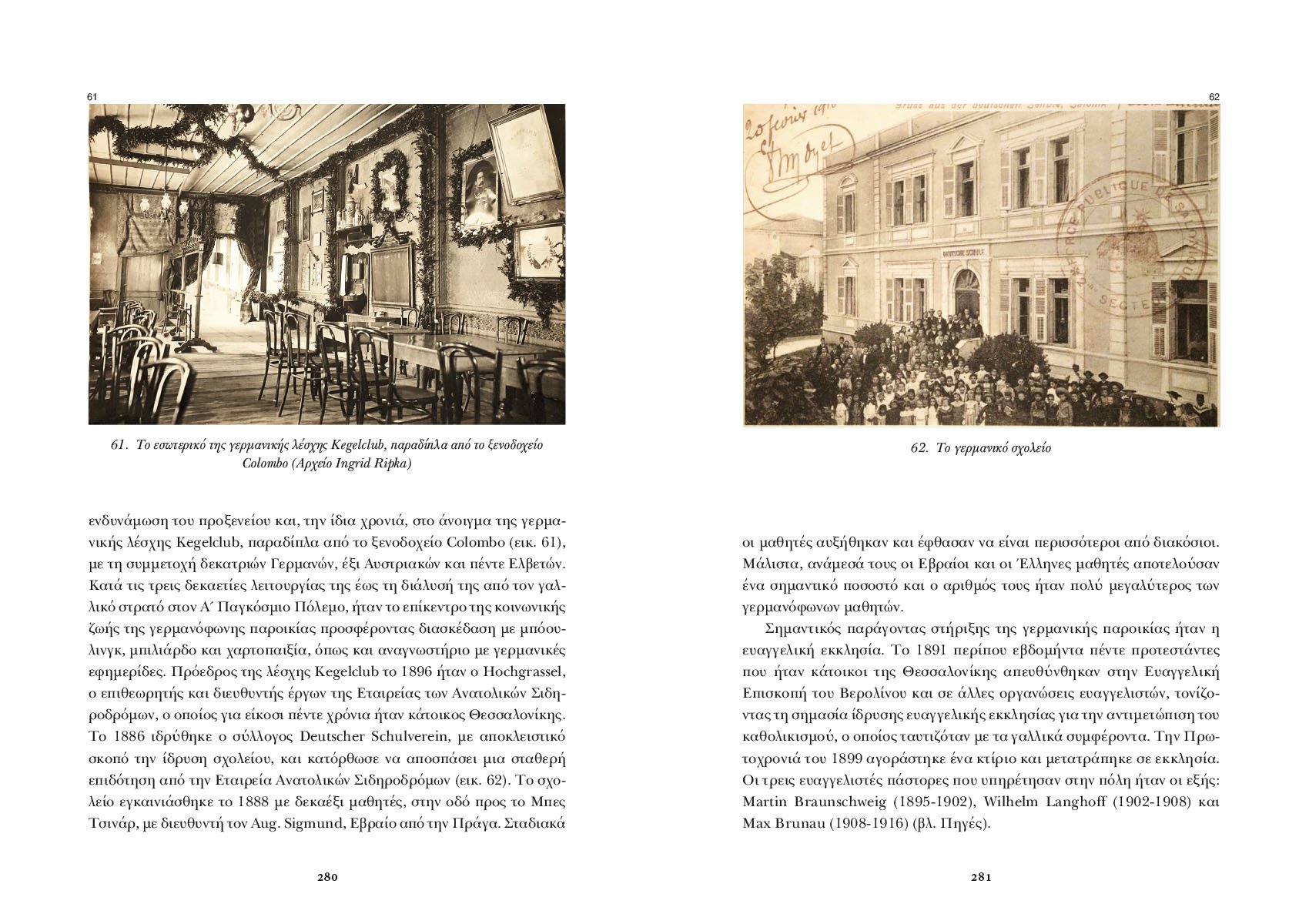
-
Product Description
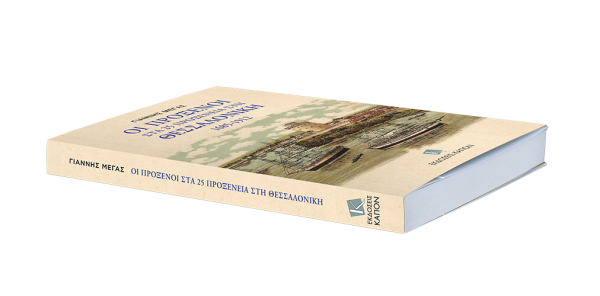
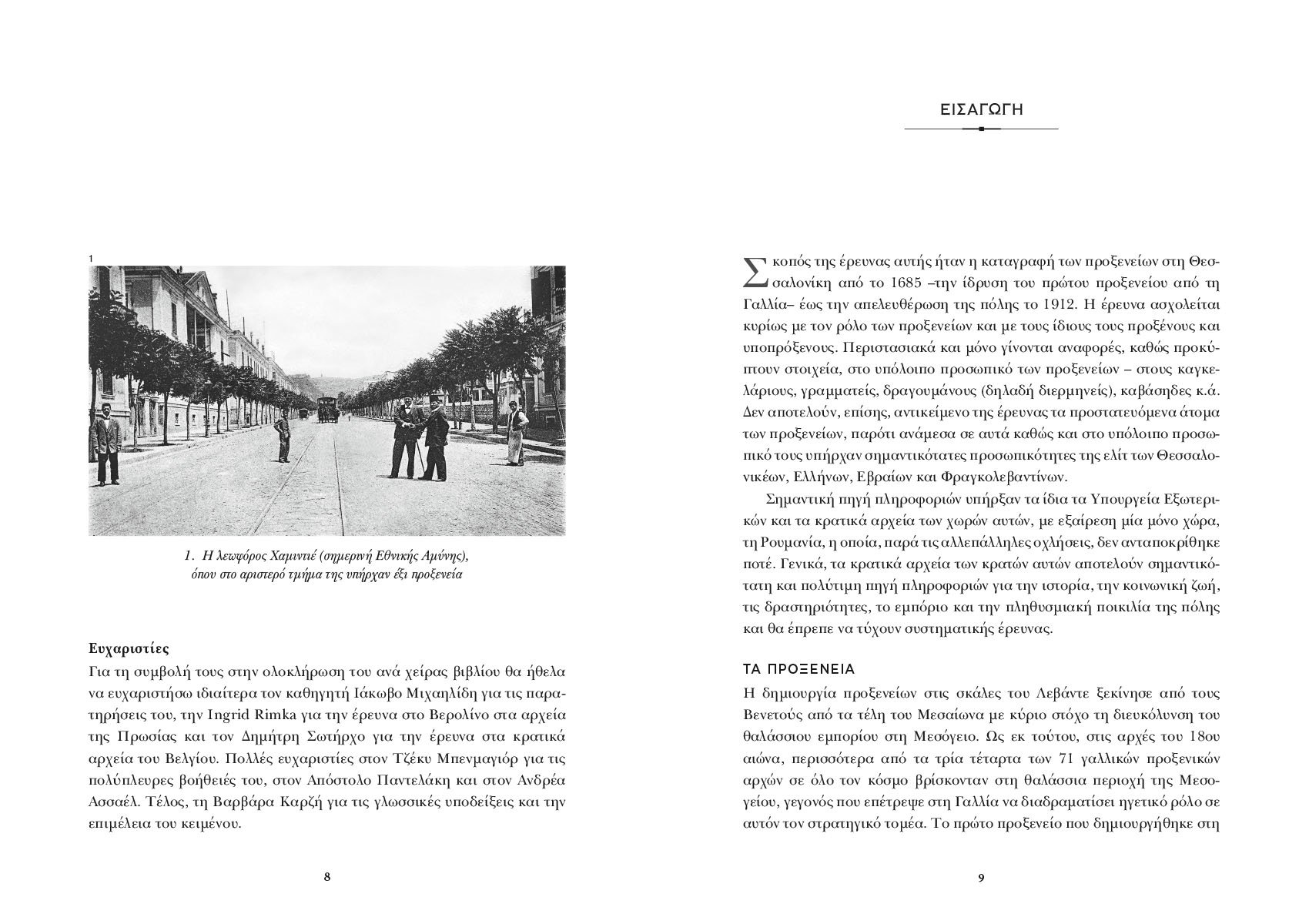
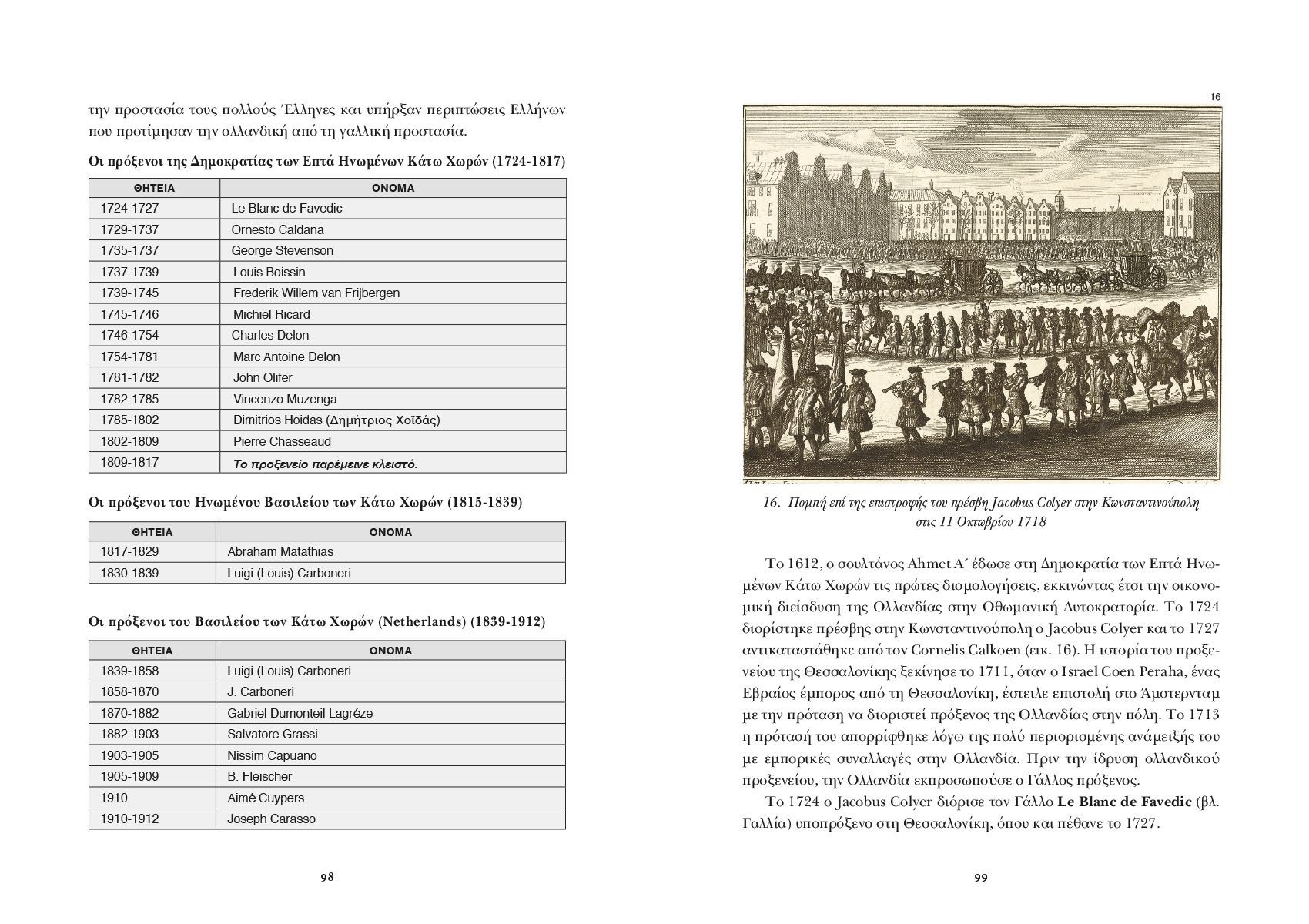
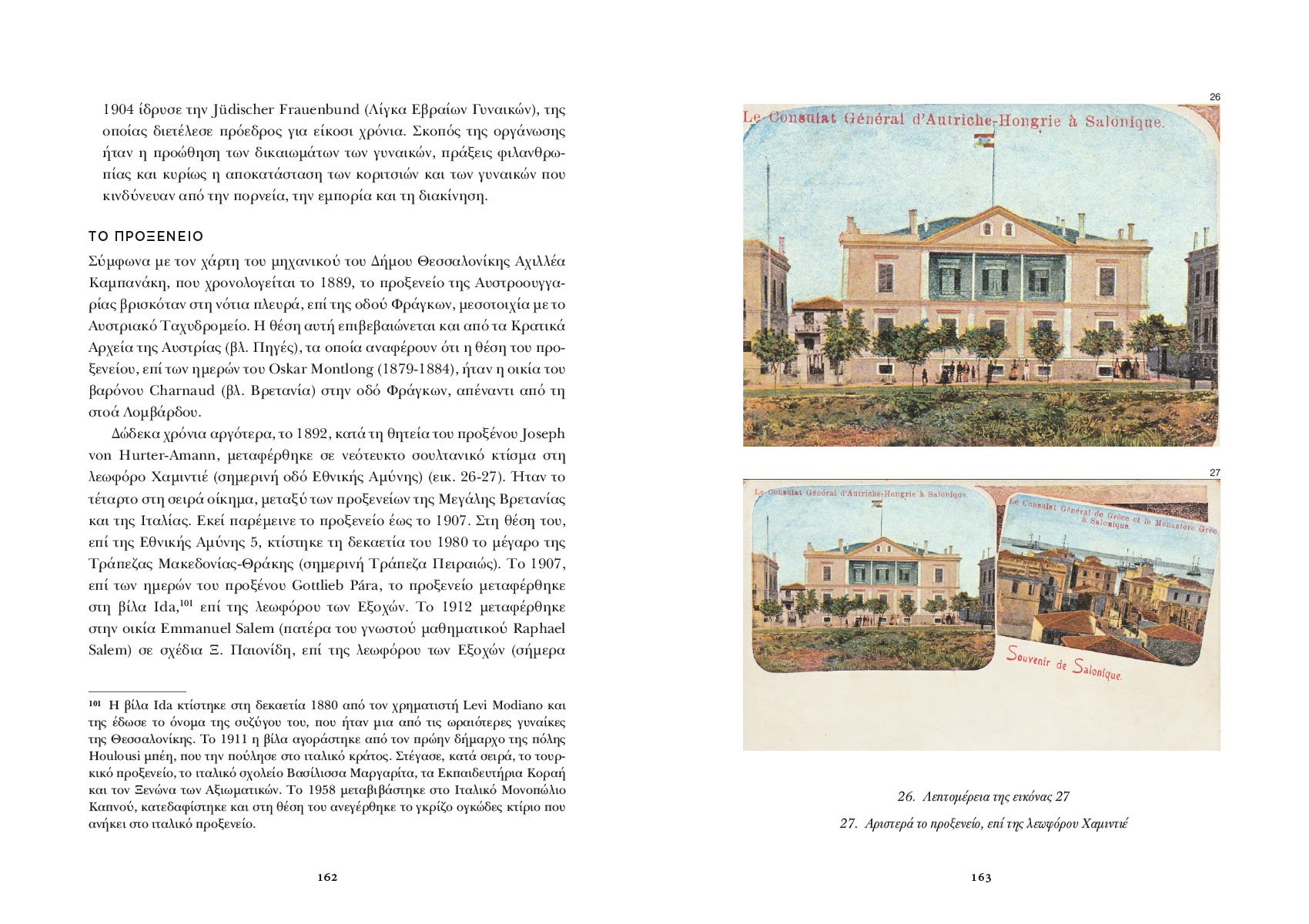
Up to its liberation in 1912, Thessaloniki was the most important city in the Balkans, and one of the two most important in the Ottoman Empire. Its significance was due to its geopolitical position and economic dominance, giving the city almost total control over import and export trade in the Balkans. From the late 17th century, the Great Powers of the time acknowledged its hegemony and established consulates, which until the late 19th century numbered 25 – an impressive number, only slightly fewer than the embassies in Constantinople. The consuls or their vice consuls who served in the city over a 225-year period, were around 300. Their principal role until the early 19th century was to promote trade between their countries. After that period, in addition to the positive effect of the consuls and their families on the social and cultural development of the city, their diplomatic role acquired greater importance owing to the political upheavals in Europe that increased the city’s influence in the declining Ottoman Empire. The information in this book was derived mainly from communications with the foreign ministries and archives of these states and federal states.
-
Additional information
Weight 900 g Dimensions 17 × 24 cm Binding Language Greek
Pages 336 Images 78 Drawings -
NOVEMBER 2024
-
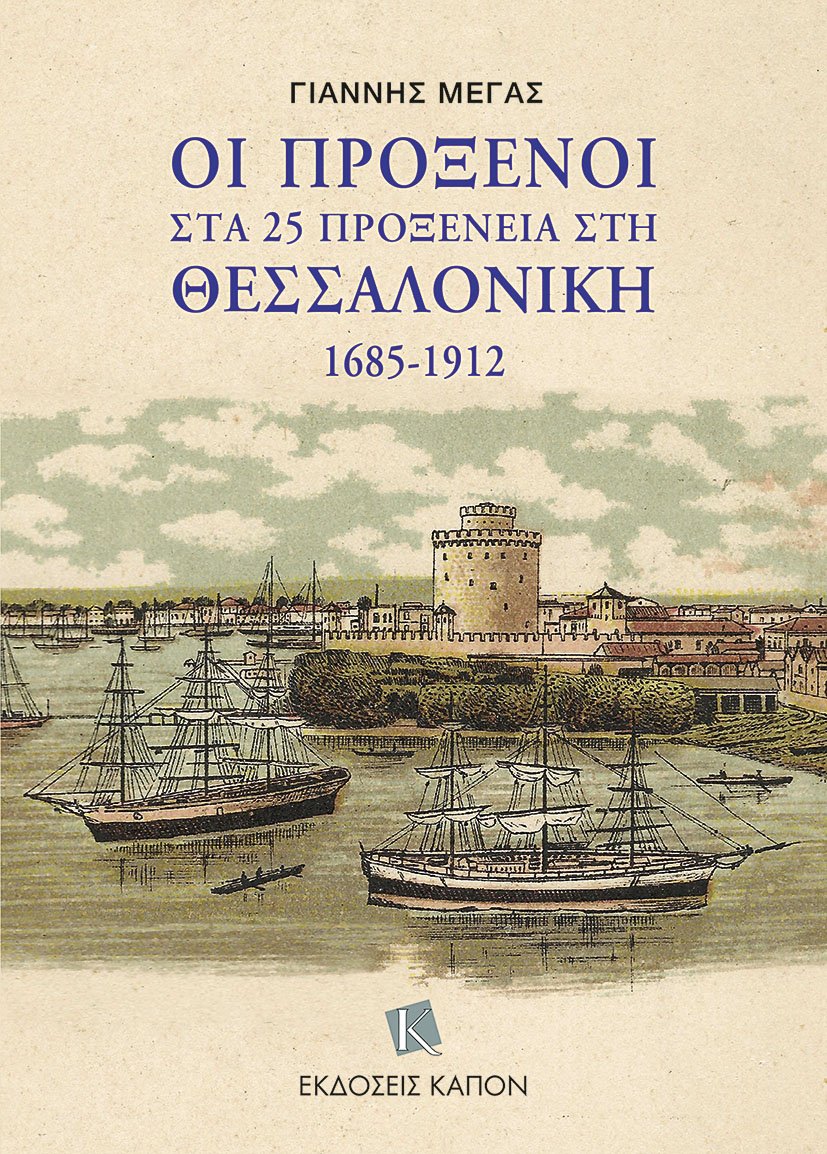
The consuls at the 25 consulates in Thessaloniki 1685-1912
24,01€
Related products
-
Corporate securities | Macedonia - Thessaloniki 1870-1940

Y. MEGAS, D. TAKAS
Corporate securities
60,42€ Add to cartQUICK VIEW
Macedonia – Thessaloniki 1870-1940 -
MONARCHY | in Modern Greece

KOSTAS M. STAMATOPOULOS
MONARCHY
Price range: 24,80€ through 31,80€ Add to cartQUICK VIEW
in Modern Greece -
Thessaloniki | The future of the past

-
On the Further shore of the Enlightenment in modern Greece | The Unknown champions of National education

BASILEIOS A. KYRKOS
On the Further shore of the Enlightenment in modern Greece
18,90€ Add to cartQUICK VIEW
The Unknown champions of National education